
Solution

How to Improve First Time Fix Rate

This guide explains how to improve first time fix rate with practical steps teams can use to improve first-time fix performance before problems spread across the operation.

Primary: how to improve first time fix rate field service efficiency field service inventory software service parts management

Why teams choose Workelect

  • Create a clearer process for how to improve first time fix rate.
  • Reduce avoidable waste, missed jobs, and stock surprises.
  • Move from reactive firefighting to more controlled daily operations.

Built for operations

Run how to improve first time fix rate with one clearer operating view.

Workelect keeps warehouse stock, van stock, job bookings, assets, and readiness aligned so teams spend less time chasing updates.

Start with the operating basics

Understand the core process, the common bottlenecks, and the signals that show where work is breaking down.

Improve coordination across teams

Use one workflow mindset for warehouse teams, schedulers, engineers, and managers instead of isolated fixes.

Turn guidance into action

Apply practical steps to strengthen first-time fix performance without relying on manual updates and guesswork.

Operational needs

How to Improve First Time Fix Rate for real-world operations.

This section highlights the day-to-day pressure points teams need to manage across stock, compliance, and scheduling.

Why teams struggle

Problems with first-time fix performance usually come from fragmented stock data, manual planning, poor handoffs, and limited visibility into the day’s work.

What to measure

Track missed jobs, stockouts, repeat visits, schedule changes, and the time spent chasing information across teams.

Where the process breaks

Failures often show up between warehouse, planning, and field teams when updates are late or held in separate tools.

What better looks like

The goal is a repeatable workflow where job bookings, inventory, readiness, and accountability stay connected.

Practical steps

How teams can improve how to improve first time fix rate.

A practical operational playbook for teams researching a better way to work before they choose a system.

1. Map the current workflow

Write down how your team currently handles first-time fix performance, including stock checks, handoffs, approvals, and day-of-work changes.

2. Standardise the key checkpoints

Set clear checkpoints for stock availability, scheduling review, readiness checks, and post-job updates so fewer details are missed.

3. Use live visibility instead of manual chasing

Move critical updates into a shared operating view so planners, warehouse teams, and engineers are not working from different versions of the truth.

4. Review and improve weekly

Use recurring reviews to catch bottlenecks, repeated stock issues, and patterns in missed jobs or service delays.

Deep dive

How to Improve First Time Fix Rate guide for operations teams.

Detailed guidance for teams evaluating process improvements before software rollout.

Why how to improve first time fix rate breaks down in real operations

Teams rarely fail because they lack effort. They fail because planning, stock visibility, and execution signals are split across too many disconnected tools. That fragmentation creates delays, rework, and avoidable customer frustration.

Improvement starts by mapping the actual flow of decisions across operations, warehouse teams, and engineers. Once ownership is clear, the process becomes easier to standardise and scale.
A practical improvement model

Start with one control loop: plan, validate readiness, execute, review. Keep it simple and measurable. Teams should know exactly when to confirm stock, when to escalate issues, and when to adjust schedules.

This approach works because it reduces hidden handoffs. Instead of reactive fixes, teams operate from shared visibility and clearer accountability.

How to keep gains from slipping

Early wins often fade when review habits are inconsistent. Run a weekly operating review with clear metrics around readiness, repeat visits, and schedule disruption linked to stock or workflow gaps.

If leaders keep attention on create a clearer process for how to improve first time fix rate. and reduce avoidable waste, missed jobs, and stock surprises., process improvements remain durable and adoption stays strong as the operation grows.

Operating profile

Where how to improve first time fix rate has the biggest impact.

A practical profile of team shape, delivery pressure, and the buying trigger behind this workflow.

Best-fit team

Operations leaders building practical improvements around how to improve first time fix rate.

Daily job mix

How To work with recurring planning, exception handling, and execution updates tied to how to improve first time fix rate.

Most common bottleneck

Operational handoffs rely on memory instead of a shared workflow for how to improve first time fix rate.

Buying trigger

Service performance is unstable because readiness signals for how to improve first time fix rate arrive too late.

Workflow sequence

How teams run how to improve first time fix rate day to day.

A concrete execution sequence from planning through close-out.

1. Map current process

Document how teams currently manage how to improve first time fix rate and where failures appear.

2. Set control points

Define readiness, escalation, and closure checks that every team follows.

3. Pilot the workflow

Launch one controlled process loop and capture operational exceptions daily.

4. Review and tighten

Use weekly KPI review to remove repeated bottlenecks and handoff drift.

Operational KPIs

What to measure in the first 90 days.

Use these metrics to confirm whether process changes are improving delivery quality.

Weekly improvement actions

Target: 3+ closed actions

Keeps momentum from review meetings into operational change.

Process adherence

Target: 90%+ checkpoint completion

Consistent process use is needed before performance can stabilise.

Repeat failure rate

Target: Reduce by 25%

Shows whether root-cause improvements are working.

Execution signals

What good implementation looks like.

Indicators teams use to validate that the new workflow is genuinely embedded.

  • Teams follow explicit checkpoints for how to improve first time fix rate instead of ad-hoc updates.
  • Weekly reviews close actions tied to measurable bottlenecks.
  • Escalation rules are clear enough that exceptions are handled quickly.
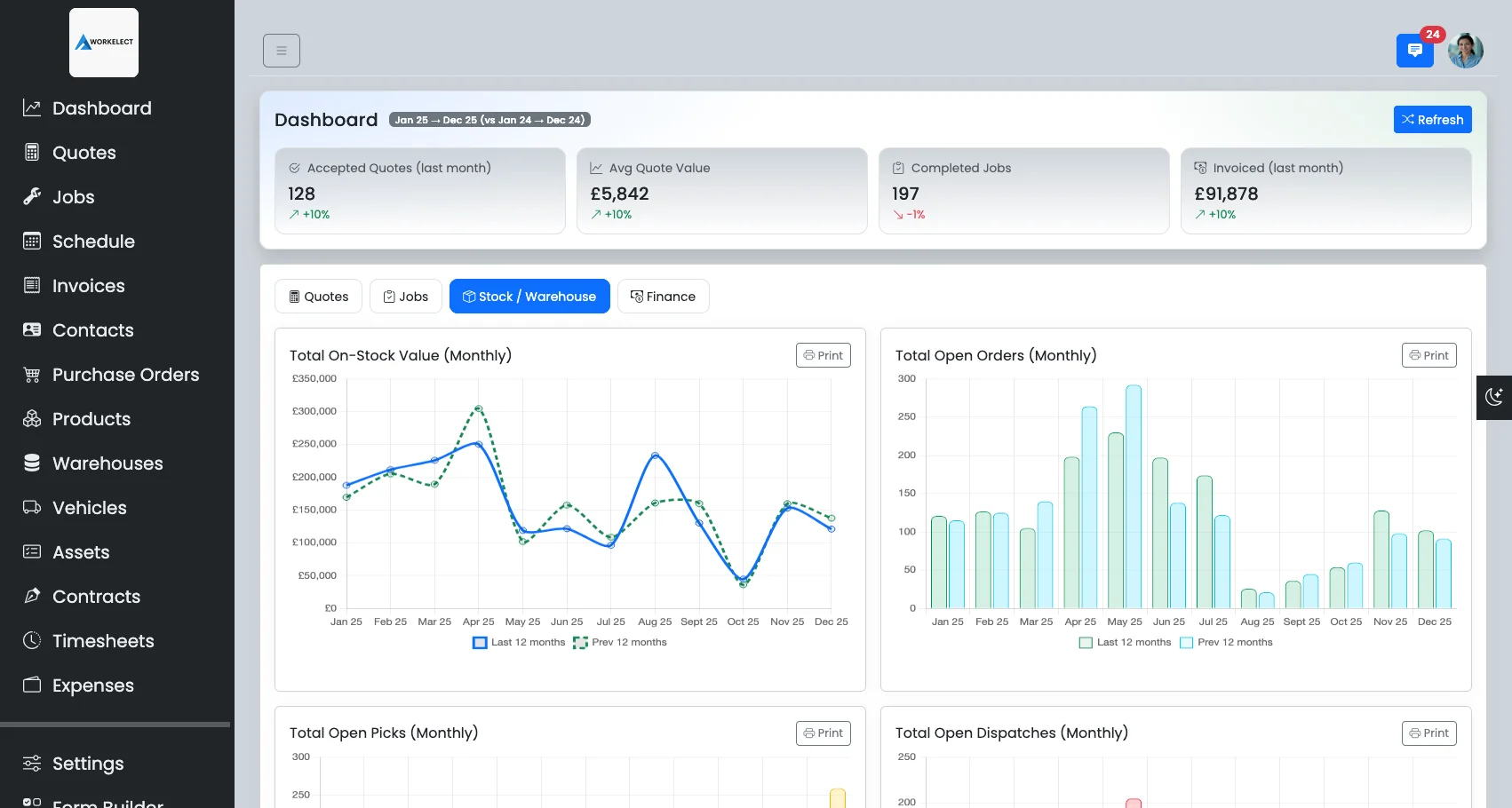
How to Improve First Time Fix Rate dashboard preview

What this covers

How To Improve First Time Fix Rate

Workelect helps teams connect stock visibility, booking control, and day-of-work readiness in one operational view.

  • field service efficiency
  • field service inventory software
  • service parts management
  • how to reduce missed service jobs

FAQ

How to Improve First Time Fix Rate questions

Short answers to common questions around this workflow.

It is for operations leaders, planners, warehouse teams, and service managers researching how to improve daily workflow performance.

Workelect is positioned around the same operational problems these guides discuss: stock visibility, job bookings, readiness, and execution.

Yes. It is useful during early research, when teams are still clarifying the process they need before shortlisting tools.

See Workelect in action

Bring stock, job bookings, assets, and field readiness into one platform.

Start a 14 day trial or contact us to talk through your workflow.